![CSS-CMYK-logo-2015-2.png]](https://go.christiansteven.com/hs-fs/hubfs/social-suggested-images/CSS-CMYK-logo-2015-2.png?height=40&name=CSS-CMYK-logo-2015-2.png)
Applies to
This article applies to the following report types:
- Power BI reports and dashboards in Power BI Service
- Power BI paginated reports in Power BI Service
- Power BI reports and dashboards in Power BI Report Server
- Power BI paginated reports in Power BI Report Server
- SQL Server Reporting Services (SSRS) reports
Before you begin
Before configuring a SharePoint destination in PBRS, make sure you have access to the SharePoint site and the appropriate credentials for your authentication method.
Make sure you have:
- The URL of the SharePoint site where you want PBRS to deliver reports.
- Permission to access the required SharePoint document library or folder.
- The credentials required for your SharePoint authentication method.
- An App ID and App Secret if you are using Modern Authentication.
- A configured Microsoft 365 account if you are using Microsoft 365 authentication.
Add a SharePoint destination
1. In the PBRS Schedule Wizard, select Destinations.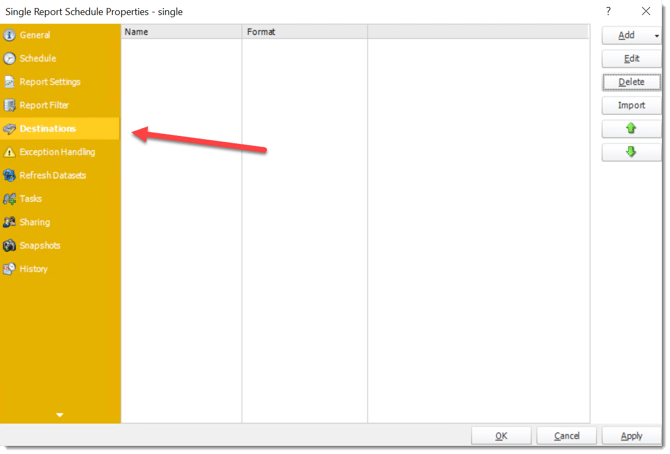
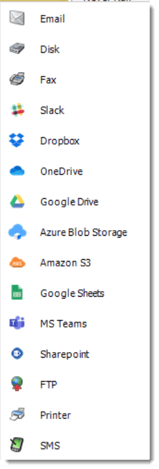
2. Select Add, and then select SharePoint.
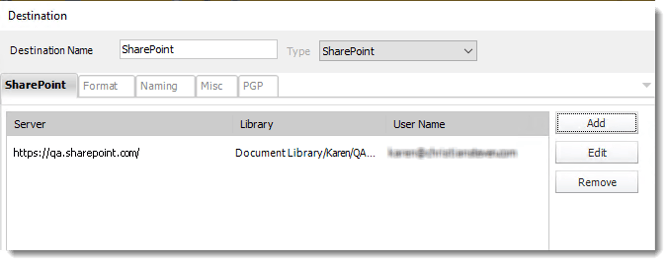
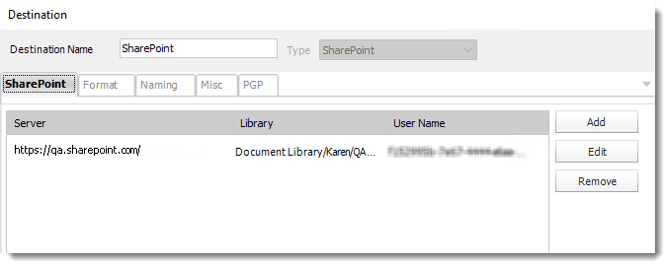
3. The SharePoint Destination window opens. From here you can add the SharePoint Destination.
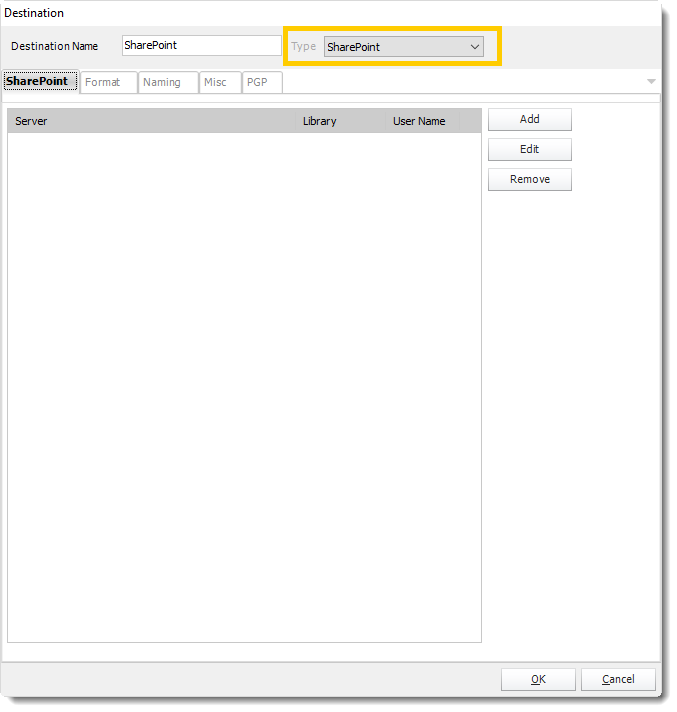
- Exporting to SharePoint allows you to deliver a report output to a SharePoint Library.
- You can also select a configured location and click 'Edit' or 'Remove' to edit or remove the destination respectively.
Choose an authentication method
PBRS supports multiple authentication methods for connecting to SharePoint. Choose the method that matches your SharePoint environment and your organization's authentication requirements.
| Authentication method | Use when |
|---|---|
| Windows Authentication | Your SharePoint environment uses Windows credentials to authenticate users. |
| Forms Authentication | Your SharePoint environment uses forms-based authentication with a username and password. |
| Office 365 Authentication | You connect to SharePoint Online using an Office 365 account configured in PBRS. |
| Modern Authentication | You connect to SharePoint Online using modern application-based authentication, such as an App ID and App Secret. |
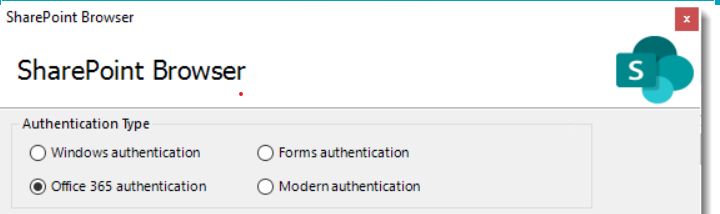
Configure Windows Authentication
Use Windows Authentication when PBRS connects to a SharePoint environment using Windows credentials.
- In the SharePoint Destination window, select Windows Authentication.
- In SharePoint Site, enter the URL of the SharePoint site where you want to deliver the report.
- Enter the Domain/Username and Password for the account PBRS will use to connect to SharePoint.
- Select Connect.
- After PBRS connects successfully, select the SharePoint document library and folder where you want to deliver the report.
- Select OK to save the SharePoint destination.
Configure Forms Authentication
Use Forms Authentication when your SharePoint environment uses forms-based authentication with a username and password.
- In the SharePoint Destination window, select Forms Authentication.
- In SharePoint Site, enter the URL of the SharePoint site where you want to deliver the report.
- Enter the Username and Password for the account PBRS will use to connect to SharePoint.
- Select Connect.
- After PBRS connects successfully, select the SharePoint document library and folder where you want to deliver the report.
- Select OK to save the SharePoint destination.
Configure Office 365 Authentication
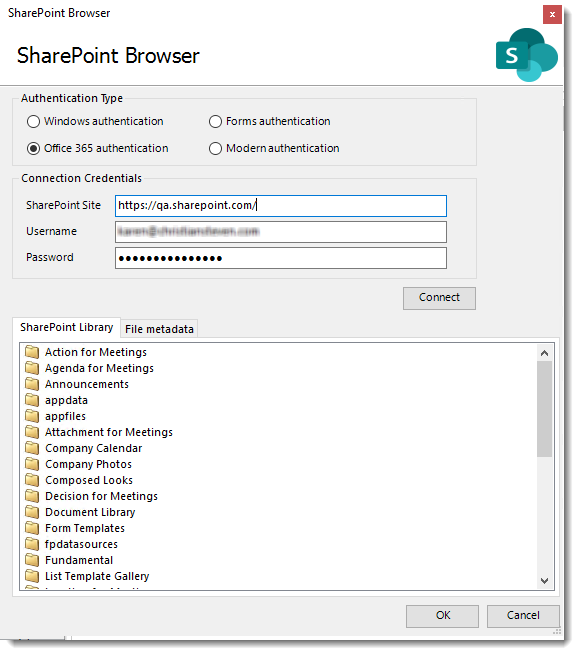
Use Office 365 Authentication to connect PBRS to SharePoint Online using an Office 365 account configured in PBRS.
- In the SharePoint Destination window, select Office 365 Authentication.
- In SharePoint Site, enter the URL of the SharePoint site where you want to deliver the report.
- Select the Office 365 account PBRS should use to connect to SharePoint.
- Select Connect.
- After PBRS connects successfully, select the SharePoint document library and folder where you want to deliver the report.
- Select OK to save the SharePoint destination.
Configure Modern Authentication
Use Modern Authentication to connect PBRS to SharePoint Online using application credentials.
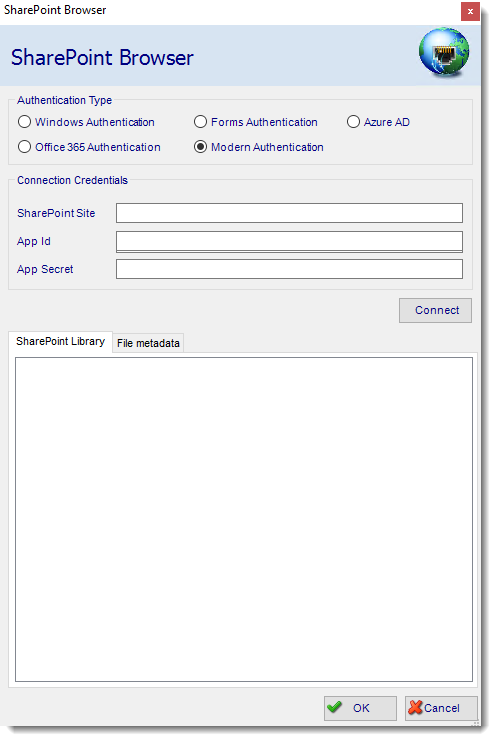
In order to use a modern authentication type in the SharePoint Destination, you must have the App ID and Secret ID created. If you don't have an App ID and App Secret, see Configure SharePoint App Credentials for PBRS.
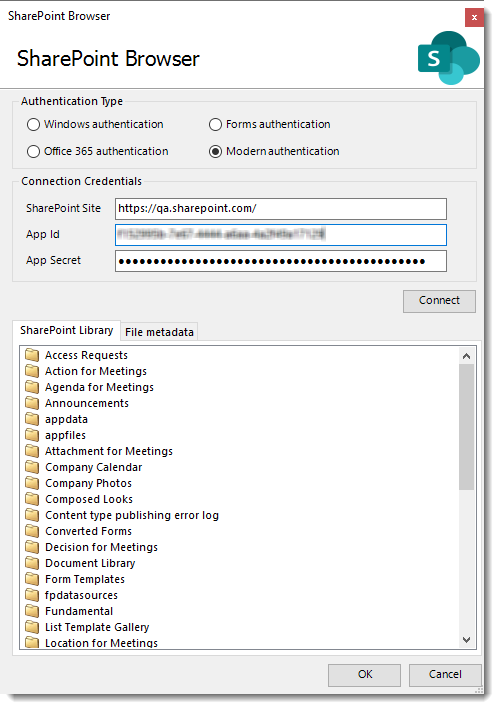
- In the SharePoint Destination window, select Modern Authentication.
- In SharePoint Site, enter the URL of the SharePoint Online site where you want to deliver the report.
- Enter the App ID and App Secret for the application PBRS will use to connect to SharePoint.
- Select Connect.
- After PBRS connects successfully, select the SharePoint document library and folder where you want to deliver the report.
- Select OK to save the SharePoint destination.
Select the SharePoint destination
After PBRS connects to SharePoint, select the document library and folder where you want PBRS to deliver the report output.
- Select the SharePoint document library where you want to deliver the report.
- Browse to and select the destination folder, if applicable.
- Confirm that the selected location is the correct destination for the report output.
- Select OK to save the SharePoint destination.
Configure the report output
After selecting the SharePoint destination, configure the format and file naming options for the report output.
Format: Select the format in which PBRS should export the report.
Naming: Specify how PBRS should name the report file when it is delivered to SharePoint.
For more information about output formats, see Configure Report Output Formats in PBRS.
For more information about file naming options, see Configure Report File Naming in PBRS.
Verify the SharePoint destination
After saving the SharePoint destination, verify that PBRS can successfully deliver report output to the selected SharePoint location.- Save the SharePoint destination and complete the schedule configuration.
- Select Execute the schedule to generate and deliver the report.
- Open the SharePoint document library and folder you selected as the destination.
- Confirm that the report file appears in the expected location.
- Open the report file to confirm that it was generated in the expected format and with the expected file name.
Troubleshooting
If PBRS cannot connect to SharePoint or deliver the report, check the following common issues.
PBRS cannot connect to SharePoint
Verify that the SharePoint Site URL is correct and that you selected the appropriate authentication method for your SharePoint environment.
Authentication fails
Verify that the credentials or authentication information entered in PBRS are correct. For Modern Authentication, confirm that the App ID and App Secret are valid and have the required permissions.
PBRS connects but the SharePoint library or folder is unavailable
Confirm that the account used by PBRS has permission to access the required SharePoint document library and folder.
The report does not appear in SharePoint
Select Execute to run the schedule, and then check the Error Log for any errors related to the execution. Confirm that the correct SharePoint library and folder are selected as the destination.